
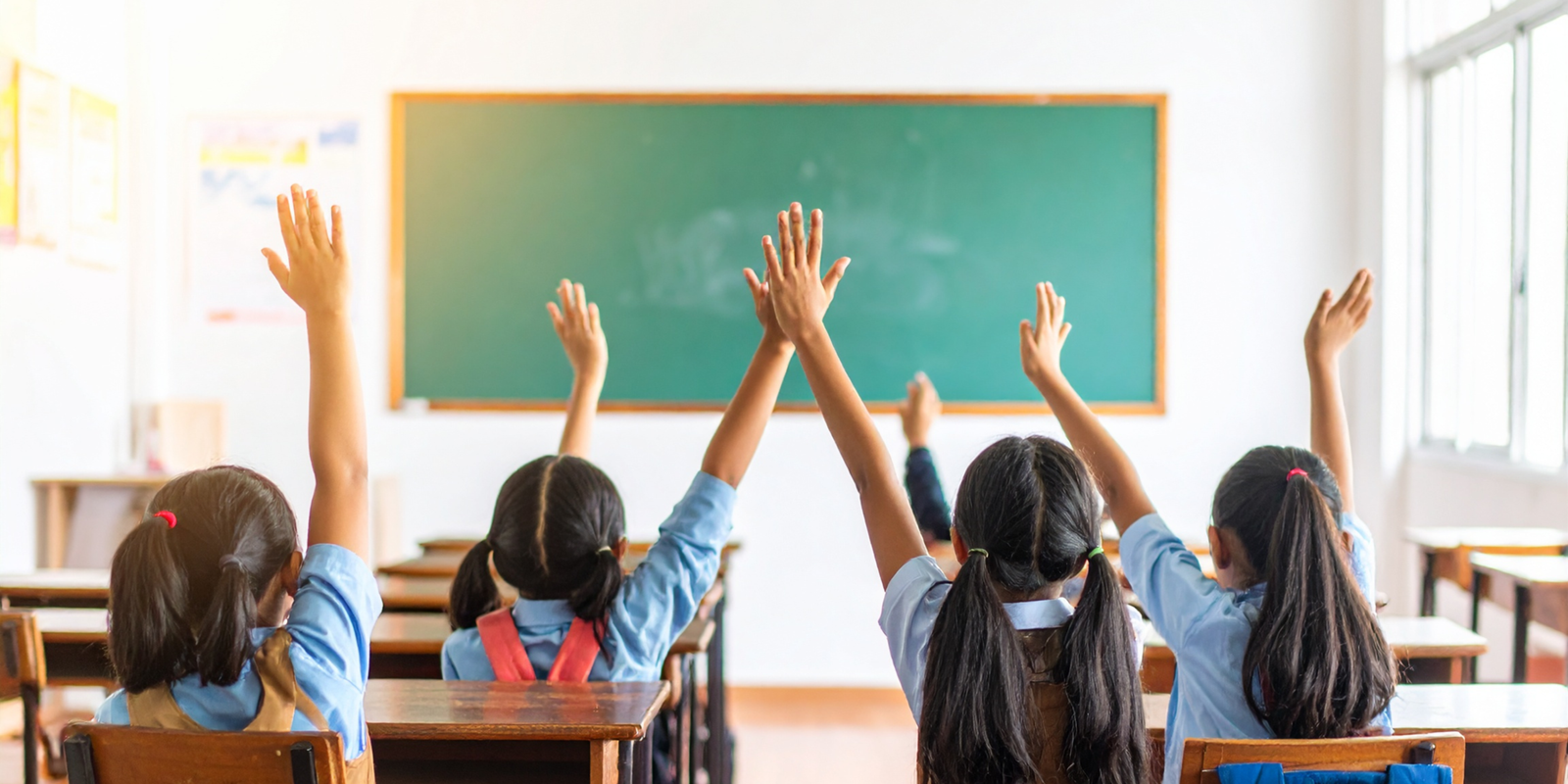
In modern Indonesian education, focusing solely on academic development is no longer enough. Teachers are now expected to build a learning environment that not only encourages achievement but also strengthens emotional intelligence. Children who can manage their emotions, recognize their feelings, understand others, and respond to situations in a healthy way are better prepared to face academic challenges and social life. This is why daily classroom routines play an essential role in creating a safe, supportive, and humane learning atmosphere.
Emotional intelligence is not merely an innate ability; it is a skill that can be cultivated and practiced every day. These five simple routines can serve as a strong foundation for shaping students to become more empathetic, confident, and ready to learn.
1. Emotional Check-In at the Beginning of Class
An emotional check-in is a routine where teachers invite students to mention, write, or draw the feelings they experience before learning begins. It can be as simple as choosing an emoticon, answering a short prompt, or filling out an “emotion thermometer.”
In Indonesian classrooms, this routine is particularly useful because many students come to school carrying invisible burdens: small arguments at home, academic pressure, fatigue, or social anxiety. By providing space to acknowledge these emotions, teachers help students begin their lessons with greater awareness and honesty toward themselves.
The benefits are significant. Students learn to recognize their emotions so they do not accumulate and turn into negative behavior. They also learn that all emotions are valid—whether sadness, anger, joy, or anxiety. In addition, teachers can better understand students’ conditions and adjust their teaching approach to be more humane.
2. Using Positive Language and Genuine Appreciation
The language used by teachers greatly affects students’ motivation and courage. The habit of using positive language and offering sincere appreciation can transform the classroom into a warm, encouraging learning space. Simple phrases like
“You worked really hard—thank you.”
“Your idea is interesting; let’s explore it further.”
can make a big difference.
In Indonesian learning culture, it is still common to find correction methods that heavily highlight mistakes. Students often hesitate to ask or answer questions for fear of being embarrassed. Through the routine of using positive language, teachers help build students’ confidence and psychological safety. They feel valued as individuals, not merely judged for their performance.
Appropriate appreciation also motivates students to keep trying—not just to chase grades. They learn that the process matters more than the result. This is a key aspect of emotional intelligence.
3. Practicing Active Listening
The third routine is giving students time to practice listening to one another. This can be done through paired discussions, short storytelling sessions, or small-group reflections. When one student speaks, others learn to focus, avoid interrupting, and respond with empathy.
This practice is highly relevant in energetic classrooms full of social dynamics. Students need guidance not only to be heard but also to be willing to listen. Here, empathy grows: students learn to understand others’ perspectives, manage the impulse to dominate conversations, and appreciate their classmates’ experiences.
Listening skills are an essential part of emotional intelligence, greatly contributing to healthy friendships, reduced conflict, and stronger cooperation in learning.
4. Providing a Calming Corner
A calming corner is a small area in the classroom designated for students who need time to regulate their emotions. It is usually equipped with cushions, emotion cards, storybooks, sensory tools, or other relaxation aids.
In classrooms with large numbers of students, a calming corner becomes an important intervention to reduce emotional outbursts and conflicts. When students are given a chance to “take a breath” before returning to activities, they learn self-regulation.
This routine is not a punishment—it is support. Students feel respected because they are given space to process their feelings without pressure. Teachers, in turn, help foster emotional independence, which is crucial both in learning and in daily life.
5. Short Reflection at the End of Class
End-of-class reflection is an essential routine that helps students think about their learning process and emotional experience. Reflections can take the form of a single sentence, a simple table (happy–difficult–new learning), or questions like:
“What was the most memorable moment today?”
“What challenge did you face, and how did you overcome it?”
In an education system often centered on academic results, reflection helps students evaluate themselves not just by outcomes but by emotional growth. They learn to recognize what needs improvement, appreciate small progress, and find deeper meaning in their learning journey.
Reflection also strengthens the teacher-student relationship, as teachers gain insight into students’ emotional needs from day to day.
These five routines not only fit well in the classroom but also strongly support children’s holistic development. Children with strong emotional intelligence tend to:
- concentrate more easily,
- maintain stable motivation,
- resolve social conflicts more effectively,
- feel less overwhelmed by academic pressure,
- make wiser decisions, and
- grow into confident and adaptable individuals.
At school, they appear calmer, more focused, and cooperative. At home, they can express their needs and feelings in healthy ways.
Developing emotional intelligence is not an instant process, but small daily routines can create significant changes. Emotional check-ins, positive language, empathetic listening, calming corners, and end-of-class reflections are simple steps any teacher—from early childhood to secondary level—can apply.
When classrooms become emotionally safe places, students learn with lighter hearts and more open minds. They grow not only as learners but as humans who can understand themselves and others. Ultimately, this is the true essence of education: guiding children to become whole individuals—not only intelligent but also compassionate.
Leave a Reply