
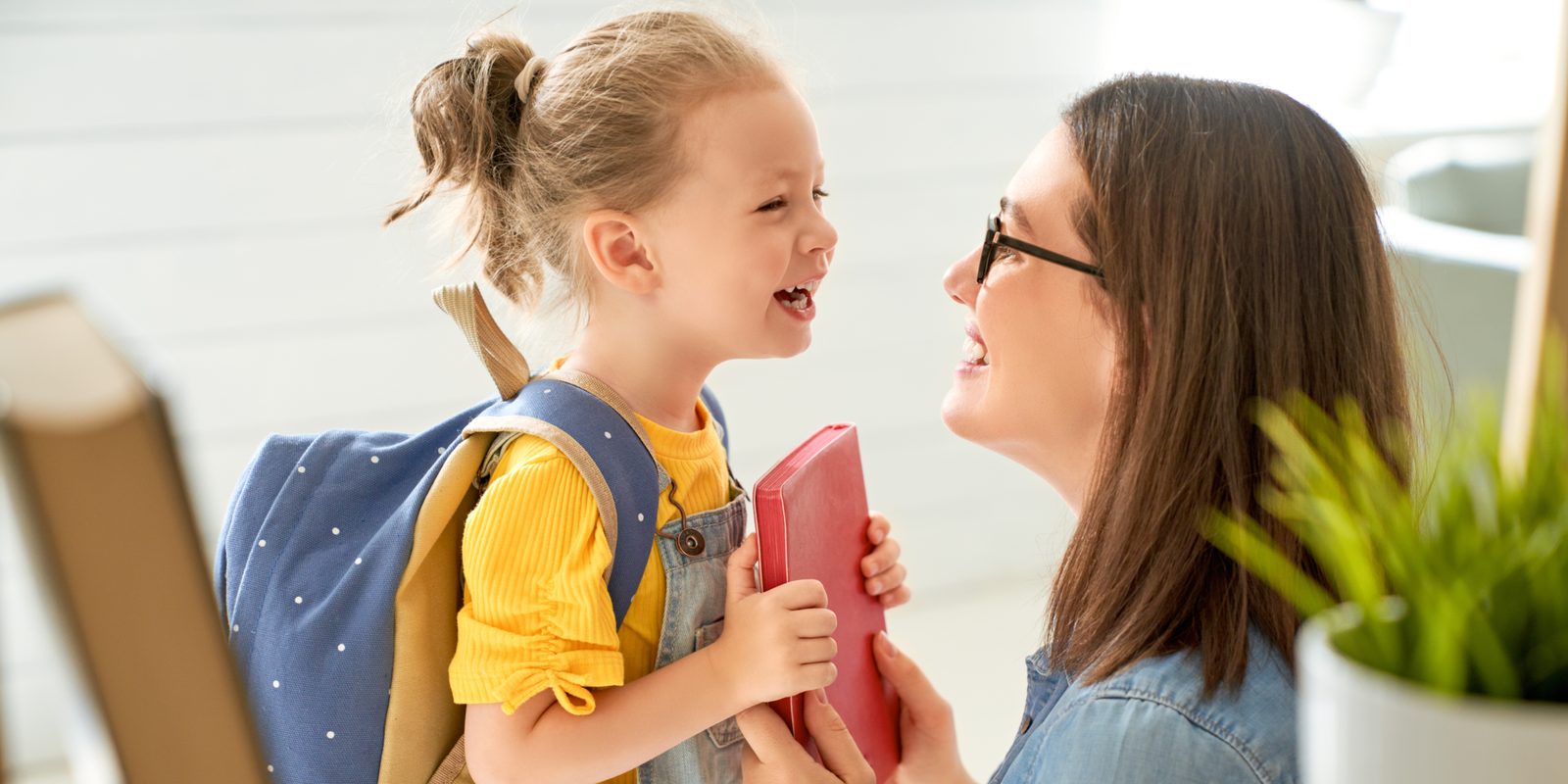
In the world of education, the relationship between parents and schools is like two sides of the same coin—inseparable. Both share the same goal: ensuring that children grow, learn, and develop optimally, both academically and socially-emotionally. However, in practice, the line between involvement and interference often becomes blurred. In recent times, various cases of misunderstandings between parents and teachers have emerged, leading to conflict, mutual blame, and even a loss of trust. This situation raises an important question: to what extent should parents be involved in learning activities at school, and where should boundaries be maintained so that collaboration remains healthy?
Parental involvement in children’s education is not a new concept. Numerous studies show that children whose parents are positively involved in their education tend to have higher learning motivation, a stronger sense of security, and healthier social relationships. Parents who understand their children’s learning processes at school can provide support that aligns with what happens at home, so children do not feel as though they are living in two conflicting worlds. In this context, parental involvement becomes a powerful force that supports educators’ work.
However, healthy involvement is different from excessive interference. Involvement means that parents understand the school’s vision, communicate openly with teachers, and entrust the learning process to trained professionals. Interference occurs when parents begin to dictate teaching methods, demand unfair special treatment, or impose their personal parenting styles to be fully applied in the school environment without considering the broader classroom context. This is where conflicts often begin.
Educators, by nature, work within a system designed for the collective good. Teachers are responsible not just for one child, but for an entire class with diverse backgrounds, needs, and characteristics. When parents demand highly individualized approaches without constructive dialogue, teachers are placed in a difficult position. On one hand, they want to meet a child’s needs; on the other, they must maintain fairness, consistency, and effective learning for all students. Without clear boundaries, teachers risk losing their professional autonomy.

From the parents’ perspective, concerns often stem from love and a sense of responsibility. Parents want to ensure that their children are safe, not harmed physically or emotionally, and treated fairly. These concerns have intensified in the era of social media, where information about negative incidents at schools spreads easily and is often presented without full context. As a result, some parents become more reactive, suspicious, and inclined to take over roles that should be carried out by the school.
This is where trust becomes the foundation of collaboration. Trust does not emerge automatically; it is built through consistent, transparent, and respectful communication. Schools need to clearly explain their values, rules, and learning approaches, including how they handle discipline and conflict. Parents, on the other hand, need to be open to listening to teachers’ explanations before drawing conclusions or making demands. When communication flows both ways, parents’ sense of security can grow without undermining educators’ professionalism.
Clear boundaries between the roles of parents and schools are essential. Parents play a primary role in instilling basic values, building character, and providing emotional security at home. Schools are responsible for managing the learning process, social interactions in the classroom, and the application of rules that apply to all students. When children are at school, teachers have the professional authority to manage the classroom and make pedagogical decisions. Parental intervention should be carried out through formal communication channels, not through direct pressure on teachers or children.
These boundaries are also important for children. Children who witness conflict between their parents and teachers risk experiencing value confusion and loyalty conflicts. They may feel pressured to choose sides or learn that authority can be undermined through pressure from other adults. Conversely, when children see parents and teachers working together in harmony, they learn about respect, mature problem-solving, and the importance of dialogue. The positive impact of this collaboration is reflected not only in academic achievement but also in long-term character development.
Recent cases of misunderstandings between parents and teachers should serve as opportunities for collective reflection rather than arenas for mutual blame. Many conflicts arise not from bad intentions, but from differing perceptions of roles and boundaries. Parents need to realize that schools are not extensions of parenting at home, while schools must understand that parents are partners, not outsiders to be kept at a distance.
Ideal collaboration is grounded in shared goals and mutually agreed boundaries. Parents have the right to ask questions, express concerns, and provide input, but not to take over control of the classroom. Teachers have the right to carry out their professional duties, but also the responsibility to listen and explain the decisions they make. When both parties understand their respective positions, a safe space for children can naturally emerge.
Ultimately, the question of how far parents should intervene is not about limiting roles, but about placing roles appropriately. Healthy education requires caring parents, empowered teachers, and children who feel safe between the two. With clear boundaries, open communication, and trust that is continuously nurtured, schools can become safe and meaningful learning spaces, while parents can feel at ease knowing that their children are growing in a supportive environment rather than one filled with conflict.
Leave a Reply