
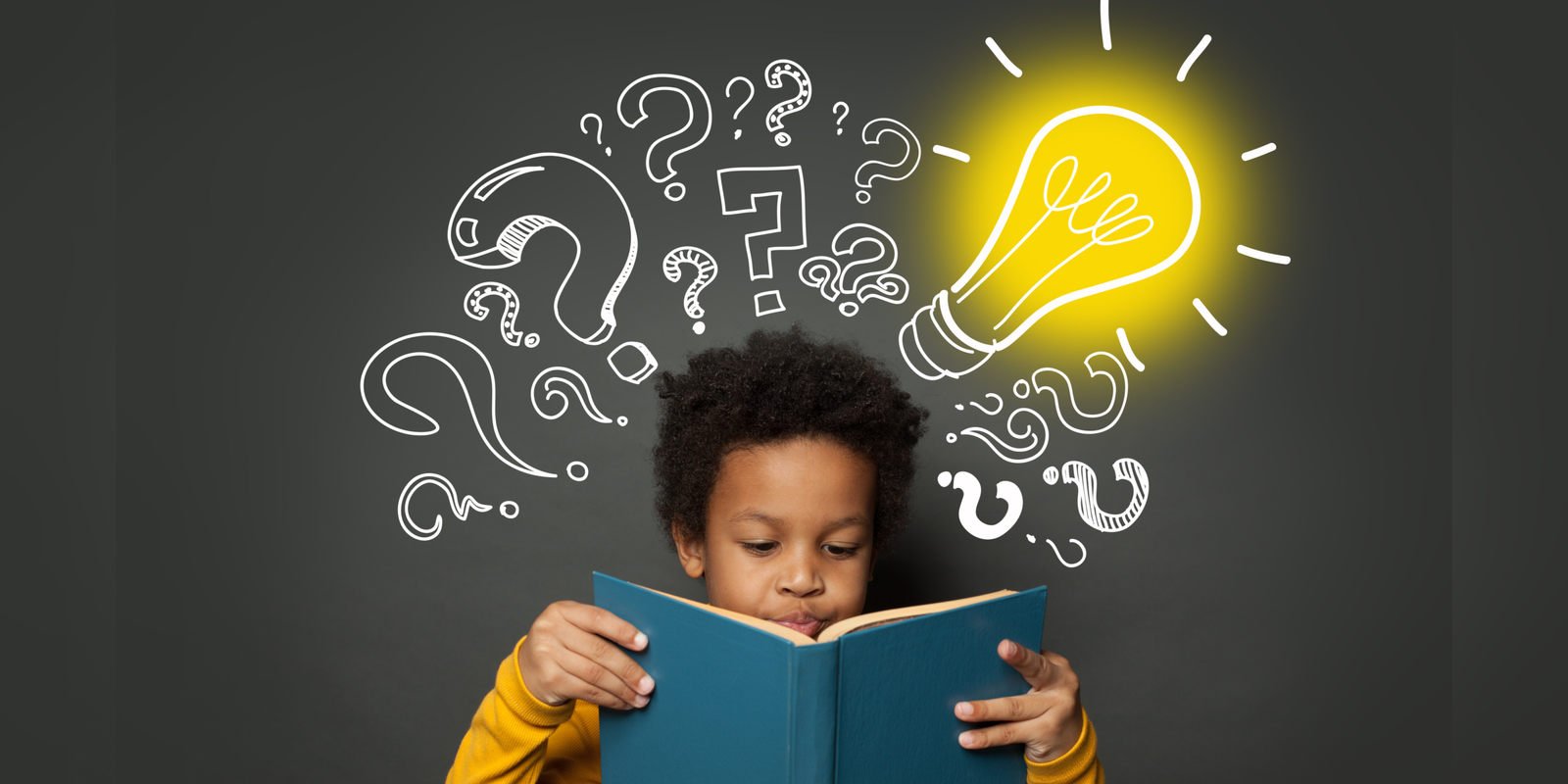
For children, reading is not merely an academic activity for recognizing letters and understanding sentences. Reading is a cognitive ecology that organizes the mind. It builds a mental environment where ideas grow, emotions are processed, and reasoning is trained. When a child develops a reading habit, they are actually forming an architecture of thinking that will influence how they understand the world, make decisions, and interact with others throughout their life.
In cognitive ecology studies, the brain does not learn separately from its environment. It is shaped by habits, conversations, and exposure to texts. Reading presents a structured flow of thought — from sentence to sentence, from cause to effect, from questions to explanations. This process trains children to move from assumptions to reasons, from spontaneous reactions to careful consideration. When reading is done regularly, children practice following lines of meaning that are not instant. They learn to delay responses, weigh information, and connect ideas. This is an essential foundation for critical thinking skills.
Exposure to reading materials also works like repeated exercise for the brain. The more often children read, the stronger their internal pathways for processing language and meaning become. A number of meta-analytic studies show that reading frequency is directly linked to improvements in language comprehension, vocabulary, and the ability to understand more complex texts. In the early stages, the progress may appear small. But over time, the effects accumulate. Children who read a little but consistently will show significant leaps in ability after several years. This is a reinforcing cycle: reading improves comprehension, and better comprehension makes reading more enjoyable.
Vocabulary plays a crucial role in this process. Vocabulary is not just a collection of words, but a toolkit for distinguishing shades of meaning and forming categories of thought. The richer a child’s vocabulary, the more precisely they can see differences, relationships, and possibilities. Text exposure introduces words in varied contexts — not as memorized entries, but as lived meaning. Children learn not only definitions, but also tone and usage. As vocabulary grows, reading comprehension improves, which in turn accelerates the acquisition of new vocabulary. A mutually reinforcing loop develops between language and understanding.
Reading also builds empathy. When children read stories, they enter the perspectives of other characters. They witness conflicts, consequences, and dilemmas from the inside, not merely from the surface. Narratives provide space for social simulation in the mind. Children learn to feel what characters feel, understand differing motivations, and recognize that a single event can be viewed from many angles. Research on fiction readers shows that engagement with stories can increase the ability to understand other people’s mental states. This is vital for social-emotional development, because empathy is not only taught — it is trained through repeated mental experience.
Interestingly, the pleasure of reading is not empty entertainment. Enjoyment is fuel for persistence. Children who enjoy reading tend to stay with texts longer, read more often, and explore wider topics. From this persistence grows cognitive stamina. Long-form reading trains sustained attention in a world full of rapid distractions. In an era of short screens and endless scrolling, the ability to sit quietly and immerse in extended text becomes both rare and valuable. Children who are used to reading develop greater tolerance for learning processes that are not instant.
The impact of reading does not stop at language subjects. It extends across all areas of study. Understanding math problems, science explanations, and social studies content depends heavily on text comprehension. Many learning difficulties arise not because children cannot calculate or reason, but because they do not fully understand written instructions and explanations. Literacy becomes a bridge across subjects. When this bridge is strong, children can cross more easily into many fields of knowledge.
However, access to reading habits is not always equal. The home environment plays a major role. The availability of books, time given by parents, the quality of conversations, and reading role models all have real influence. Children who grow up in literacy-rich homes tend to have an early advantage. Meanwhile, children with minimal text exposure need greater support from schools and communities. Therefore, literacy is not merely an individual matter, but also an issue of social equity. Active libraries, community reading corners, and shared reading activities can expand cognitive ecology for more children.
The role of parents and teachers does not always have to take the form of formal instruction. Reading aloud together, having light discussions about stories, or simply showing interest in what a child is reading already makes a significant difference. When adults treat reading as a meaningful activity rather than just a school task, children receive the message that reading is part of life. Conversations after reading help children anchor meaning, test understanding, and develop the ability to express opinions.
On the other hand, the digital world brings both challenges and opportunities. Screens are often blamed for weakening reading interest, but the real issue is shallow and fragmented interaction. Digital texts can still build literacy when selected and used properly. E-books, long-form articles, and children’s reading platforms can serve as bridges. The key is preserving depth, not merely moving text onto screens. Children still need coherent and focused reading experiences, whether on paper or in digital form.
Building a reading habit is best started through rhythm rather than large targets. Short but regular reading time is more effective than long but rare sessions. Daily rituals create mental and emotional traces — for example, reading before bed or after school. From rhythm grows familiarity. From familiarity grows interest. From interest comes persistence. The process is organic — not forced, but nurtured.
In the end, reading is a long-term investment in ways of thinking. It forms an inner structure that may not always be immediately visible, but works continuously. Children who read are building a mental map of the world. They gather words to name experiences, stories to understand people, and explanations to organize facts. In a rapidly changing era, the ability to think coherently, understand meaning, and empathize becomes essential capital. Reading is the silent engine that prepares all of this, page by page.
Leave a Reply