
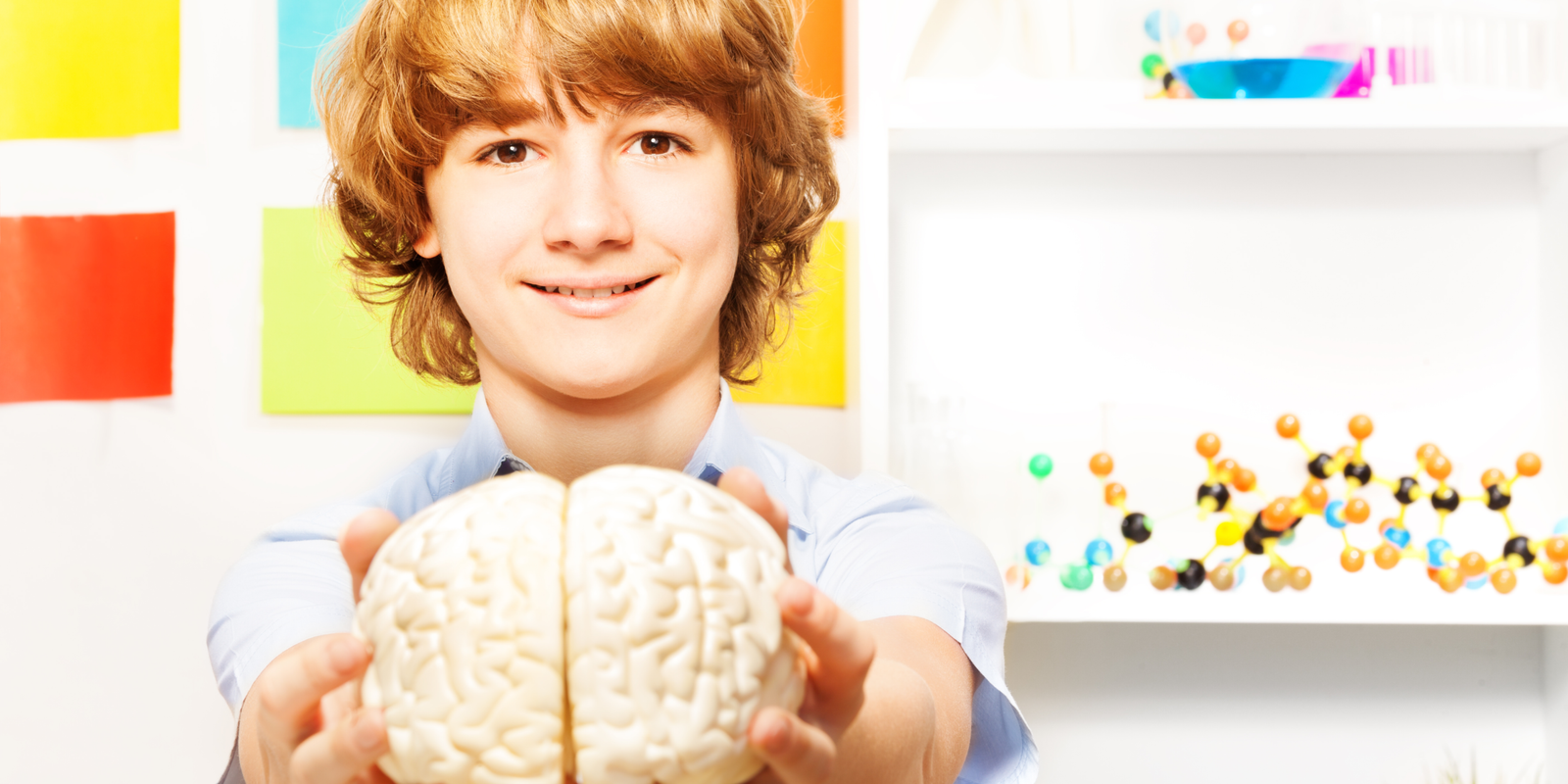
Developing a child’s brain in a balanced way is not merely about ensuring they are academically intelligent, but also emotionally and socially mature. Many parents only realize that intelligence without the ability to manage emotions can actually make it difficult for children to adapt to real life. This concept is explained in depth in the book The Whole-Brain Child by Daniel J. Siegel and Tina Payne Bryson, which emphasizes the importance of integrating the left and right brain in child development.
A child’s brain develops gradually. The right brain, which is associated with emotions, intuition, and nonverbal experiences, develops earlier than the left brain, which is related to logic, language, and analysis. This is why toddlers often experience emotional outbursts that seem irrational. They feel things very intensely but are not yet able to explain them in words. When parents respond only with logic—for example by saying “don’t cry, it’s not important”—the child may feel misunderstood. In contrast, when parents first connect with the child’s emotions, the child’s right brain feels safe, allowing the left brain to engage in calming the situation.
Parents’ reactions in emotional moments are the key to brain integration. When a child is angry, afraid, or sad, a warm and empathetic response helps build a bridge between the two hemispheres of the brain. Children learn that emotions are not something to suppress or fear, but signals that can be understood and managed. For instance, when a child cries because a toy is broken, a parent can say, “You’re sad because your toy broke,” before offering a solution. This simple sentence conveys that the child’s feelings are valid. Only afterward are logic and problem-solving introduced. This process helps children integrate emotional experiences with thinking skills.
The integration of the left and right brain is closely related to emotional regulation. Emotional regulation does not mean children are not allowed to be angry or sad, but rather the ability to return to a calm state after emotions arise. Children with good emotional regulation tend to concentrate more easily, build friendships, and face challenges. Conversely, children whose emotions are often scolded or ignored may grow up with impulsive tendencies or withdrawal. They may appear “naughty” or “overly sensitive,” when in fact their brains have not yet learned how to self-soothe.
Parents often unknowingly reinforce imbalances in their children’s brains. Excessive pressure on academic achievement, for example, encourages left-brain dominance without providing space for emotional expression and creativity. On the other hand, overly permissive parenting without boundaries can lead to right-brain dominance, making it difficult for children to follow rules and think logically. Balance emerges when children receive empathy along with structure. They know their feelings are accepted, but their behavior still needs guidance.
A secure relationship between parent and child is the primary foundation of healthy brain development. When children feel safe, their brains are in a state ready to learn. Stress hormones decrease, while neural connections related to memory and self-control strengthen. This is why hugs, eye contact, and a gentle tone of voice are not merely gestures of affection but also biological stimuli for brain development. Children who frequently receive warm responses are more likely to develop empathy for others because their brains are accustomed to emotional connection.
Stories and conversations also play an important role in brain integration. When parents help children retell experiences that made them afraid or sad, the left brain provides narrative structure while the right brain processes the accompanying emotions. This process transforms experiences that once felt chaotic into something more organized and less frightening. Children learn that strong feelings can be explained and managed. Simple habits such as talking before bedtime about what happened throughout the day can be effective exercises for brain integration.
In addition, imaginative play and creative activities help balance brain function. Drawing, role-playing, or listening to music provides space for emotional expression while also training focus and planning. Physical activity also contributes to emotional regulation because it helps release tension in the body. Children who are physically active tend to calm down more easily than those who spend too much time exposed to screens without direct interaction.
It is important to remember that brain integration is not an instant process. Every child has a different temperament and pace of development. The task of parents is not to control children’s emotions, but to be companions who help them understand what is happening inside themselves. Patience becomes the key factor, especially when children experience tantrums or difficult behavior. Rather than seeing it as defiance, parents can view it as an opportunity to practice emotional regulation skills.
Ultimately, the goal of parenting is not to create children who are always obedient, but children who understand themselves and relate to others in a healthy way. When the left and right brain work in harmony, children are not only able to think clearly, but also to feel empathy, control impulses, and make wise decisions. They grow into resilient individuals because they possess a balance between logic and emotion.
Developing a child’s brain in a balanced way means building a solid foundation for life. Every parental response—whether words, tone of voice, or attitude—shapes neural pathways that will influence how children face the world. By prioritizing connection before correction, empathy before advice, and understanding before judgment, parents help children build an integrated brain. From this foundation emerges emotional regulation, an essential provision for their future happiness and success.
Leave a Reply