
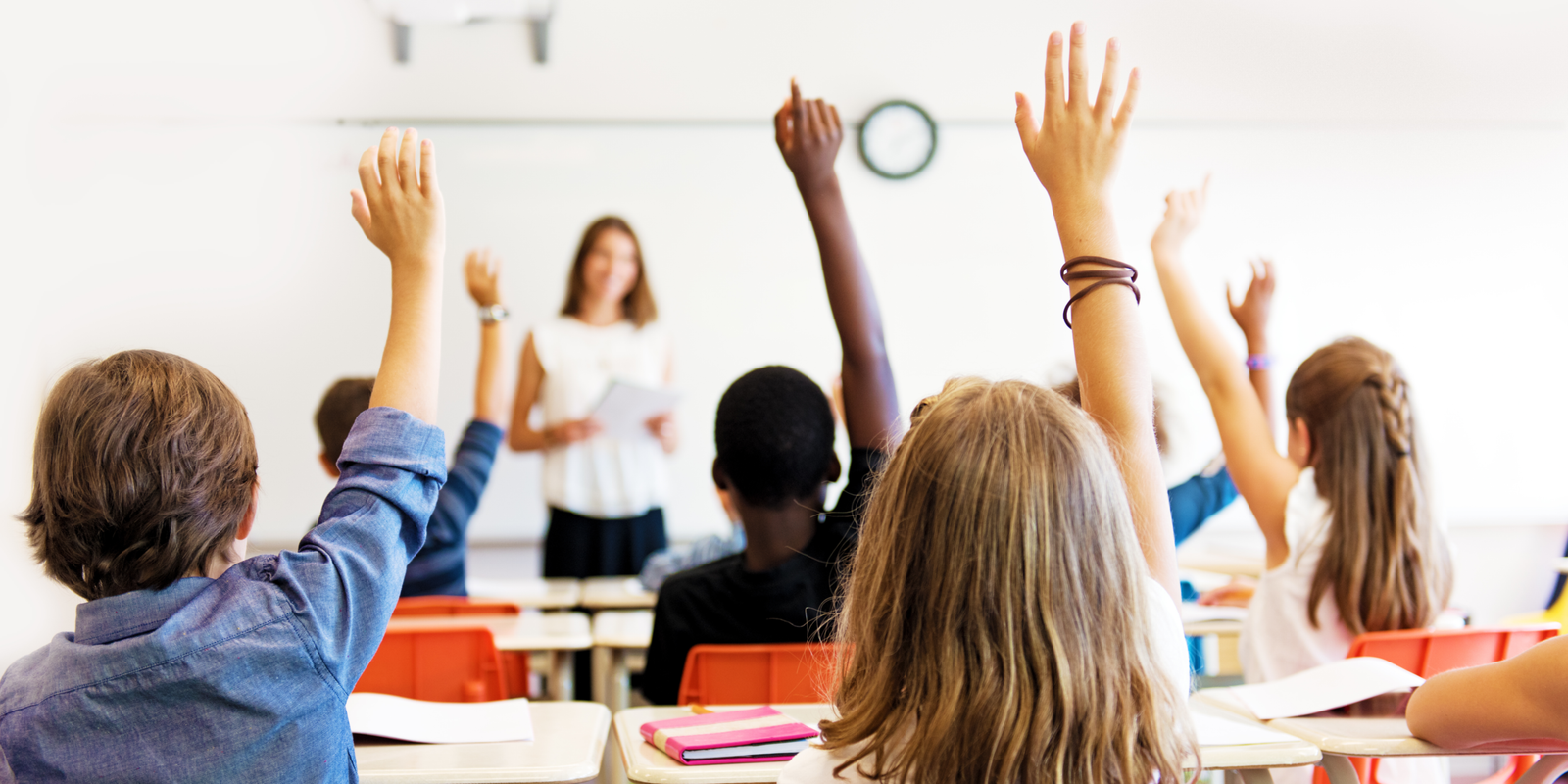
A noisy classroom often reflects a vibrant learning process. The sounds of students discussing, asking questions, and even joking from time to time are all part of classroom dynamics. However, behind that liveliness lies a significant challenge for teachers: how to remain calm and manage the class effectively without losing control. Being a calm teacher does not mean being passive, but rather being able to respond to situations with awareness, wisdom, and intention.
Classroom interactions are never static. Especially when the number of students is large, the atmosphere can quickly become filled with energy that is difficult to manage. In such conditions, patience becomes a key factor. Yet patience alone is not enough. Teachers also need the right strategies to ensure that the learning process continues optimally without relying on emotions.
The first step that is often overlooked is understanding oneself before leading the class. A teacher needs to take a brief moment for self-reflection before teaching. How is their physical condition today? Are they tired, stressed, or energized? What about their emotional state? Self-awareness helps teachers manage their responses to classroom situations. Teachers who understand their emotions tend to be more stable when facing diverse student behaviors. When a teacher remains calm, the classroom environment becomes more conducive. This sense of calm creates a feeling of safety for students, making it easier for them to trust and engage openly in the learning process.
In addition, building classroom agreements together with students is an important strategy for creating sustainable discipline. Instead of setting rules unilaterally, teachers can involve students in establishing classroom norms and values. When students feel heard, they are more likely to take responsibility for the agreements made. Discipline then emerges not from force, but from awareness. As a result, the classroom runs more smoothly without constant intervention from the teacher.
These agreements also strengthen the relationship between teachers and students. Interaction becomes less one-sided and more collaborative. Students learn that they have a role in creating a comfortable learning environment. Teachers no longer need to constantly remind or reprimand, as students already share a common understanding of boundaries and expectations.
Furthermore, consistent daily routines serve as an important foundation in classroom management. Routines help students understand the flow of learning and what is expected of them. When the classroom structure is clear, students tend to feel calmer and more prepared to learn. They do not have to guess what will happen next, allowing them to focus their energy on learning activities.
For teachers, routines also offer significant benefits. With consistent patterns in place, teachers do not need to make constant spontaneous decisions. This reduces mental load and allows them to focus more on interacting with students. Simple routines such as opening activities, transitions between tasks, and structured closing sessions can have a major impact on the overall classroom atmosphere.
However, routines alone are not enough if learning feels monotonous. Therefore, it is important for teachers to vary their teaching methods. Learning strategies that actively involve students can help channel their energy in a positive direction. Activities such as group discussions, educational games, role-playing, or project-based learning can increase student engagement.
When students are actively involved, they are not just passive listeners but active participants. This reduces the likelihood of disruptions because students have a clear focus. Moreover, an enjoyable learning environment helps students understand the material more easily. In such conditions, discipline grows naturally rather than through pressure.
In today’s digital era, the use of technology can also be a solution for managing the classroom. Various digital learning platforms can assist teachers in organizing administrative tasks, monitoring attendance, tracking student progress, and sharing materials. With the help of technology, administrative work becomes more efficient, giving teachers more time to interact with students.
Technology can also enhance student engagement. The use of interactive media, digital quizzes, or collaborative platforms can make learning more engaging. However, it is important to remember that technology is only a tool. Its effectiveness depends on how wisely it is used and how well it aligns with students’ needs.
Ultimately, managing a classroom calmly is not an instant achievement, but a continuous process of growth. No teacher becomes perfect immediately in handling the dynamics of a classroom. Feelings of fatigue, confusion, and even frustration are part of the journey. What matters most is the willingness to keep learning and improving.
A teacher’s calmness does not mean the classroom must always be silent. In fact, structured liveliness can make the learning process more meaningful and dynamic. A calm teacher sees noise as energy, not a threat. They do not react impulsively, but respond with awareness.
More importantly, this calm attitude becomes a real example for students. They learn how to manage emotions, face challenges, and interact with others. In this way, the teacher’s role extends beyond instruction, becoming a model for everyday life.
Managing a noisy classroom is indeed challenging, but it is far from impossible. By understanding oneself, building shared agreements, establishing consistent routines, varying teaching methods, and utilizing technology, teachers can create a conducive learning environment without losing their calm.
In the end, what matters is not how quiet a classroom is, but how the teacher responds to every situation that arises. A lively classroom can still be an effective place for learning, as long as the teacher shows up with awareness, patience, and wisdom.
Leave a Reply